Fire or smoke damage? 24/7 cleanup across King, Snohomish, Pierce & Kitsap counties24/7 fire & smoke cleanup · Puget Sound Call or text (844) 543-5757·info@helpmenow.com
Puget SoundFire Damage
(844) 543-5757
The core job

Smoke and soot cleanup

Call me right now

Need help? Request a local contractor

Free · No obligation · You choose who to hire

Handled by HelpMeNow.com, a Help Me Now Inc service. The restoration contractor who calls you is an independent Washington-registered business.

Soot is acidic and it went everywhere the air went. Cleaning it is a sequence that starts with identifying the residue and ends with clean ducts and sealed surfaces, and the wrong order sets stains and smell permanently.

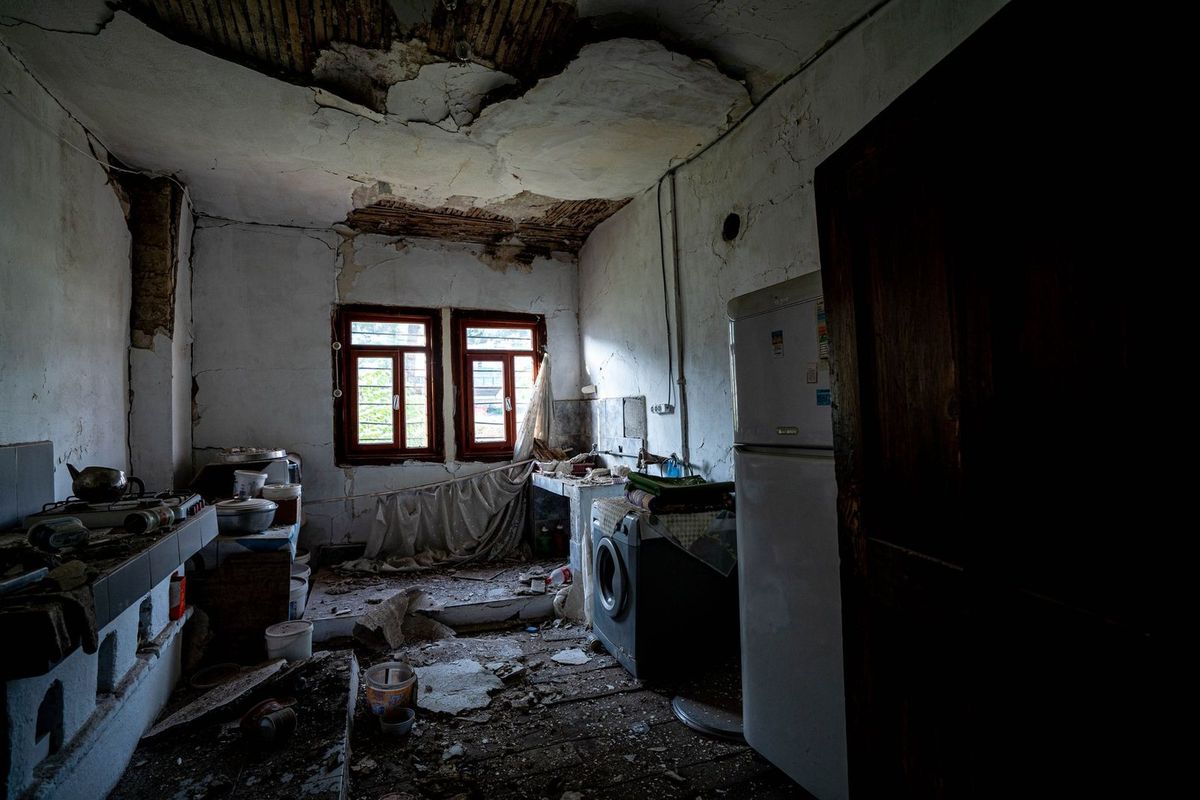
A kitchen after a fire, with a collapsed ceiling and soot on every surface
Soot on every surface after a kitchen fire.

Residue decides everything

Restoration follows the IICRC S700 standard, which begins by identifying the residue, because each cleans differently: dry smoke lifts with dry methods; wet smoke needs degreasers and smears if wiped with water; protein residue is a greasy near-invisible film that needs degreasing on every surface; fuel-oil soot is oily and travels through ducts. Most fires produce a mix, and the crew tests room by room.

The sequence

Dry before wet, top before bottom, unaffected areas protected first. HEPA vacuuming and dry sponges; then wet cleaning with agents matched to the residue and corrosion inhibitors on metals; removals of what cannot be cleaned to standard, photographed and listed; the HVAC system cleaned and filters replaced; clean surfaces sealed with odor-blocking primer before paint.

The rooms the fire did not reach

Smoke penetration is house-wide: closets, drawers, cabinets, the attic and crawl space, the backs of pictures and the tops of doors. A good cleanup treats the house.

Electronics, glass and metal

Soot corrodes circuit boards and etches glass and chrome within days; these get corrosion inhibitors and evaluation on day one.

On the claim

Cleanup is billed by square foot by method with removals itemized, in an Xactimate estimate billed directly to your insurer on covered claims; your deductible applies as your policy states.

What to expect

How it runs

Identify the residue

Wet, dry, protein or fuel-oil smoke, by what burned; it decides agents and methods for every surface.

Assessment

Protect and ventilate

HVAC sealed, HEPA and carbon air scrubbers running, unaffected areas sealed off.

Day one

Dry cleaning first

Dry chemical sponges and HEPA vacuuming lift loose soot before any liquid touches a surface.

Days one to three

Wet cleaning and degreasing

Alkaline cleaners and degreasers matched to the residue; corrosion inhibitors on metals.

Following days

Ducts, removals, sealing

HVAC cleaned, porous materials that fail removed and listed, surfaces sealed before paint.

Final phase
FAQ

Questions homeowners ask us

Can I clean soot myself?

Light dry soot on hard surfaces, sometimes. Wet smoke, protein residue, textiles and ducts, no; wiping with water or household cleaner smears and sets it. Have it assessed first.

Why does it get worse over time?

Soot is acidic: it discolors plastics and marble in hours, yellows paint and etches glass in days, and permanently stains porous surfaces and corrodes electronics in weeks.

Does the HVAC need cleaning?

If it ran during or after the fire, yes. Ducts redistribute soot every cycle and hold odor for years.

Open now

Crews respond 24/7

One call reaches a Washington-registered fire restoration contractor serving Seattle and the Puget Sound region. $0 upfront on covered claims; your insurer is billed directly.

Call now(844) 543-5757
Send us photos

Show us what happened

Add a few photos, tell us where you are and a dispatcher looks at them right away, then calls or texts you back.