Fire or smoke damage? 24/7 cleanup across King, Snohomish, Pierce & Kitsap counties24/7 fire & smoke cleanup · Puget Sound Call or text (844) 543-5757·info@helpmenow.com
Puget SoundFire Damage
(844) 543-5757
The other damage

Drying after firefighting

Call me right now

Need help? Request a local contractor

Free · No obligation · You choose who to hire

Handled by HelpMeNow.com, a Help Me Now Inc service. The restoration contractor who calls you is an independent Washington-registered business.

A structure fire is put out with hundreds to thousands of gallons of water, and in many houses the water does more damage than the fire. Extraction and drying start on day one.

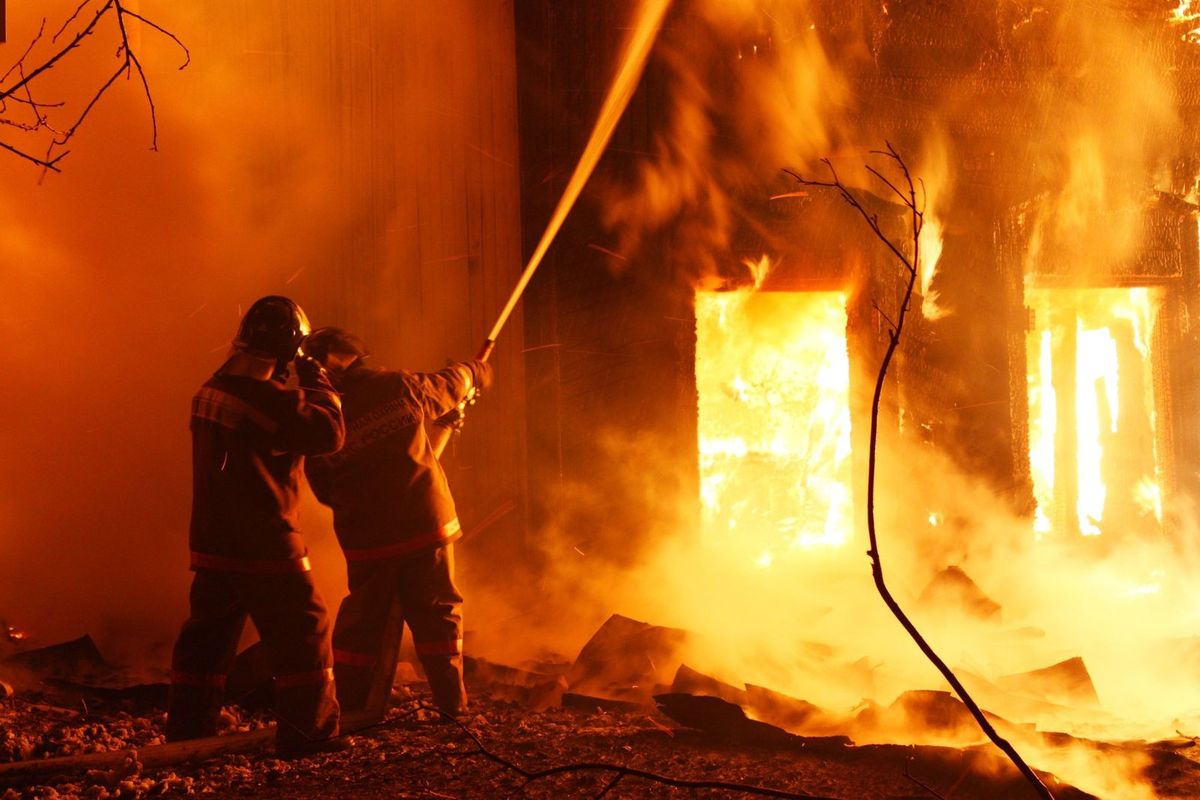
Firefighters directing a hose into a burning house at night
What the hoses put in has to come out before mold starts.

Contaminated water

Suppression water carries ash, soot, charred debris and the combustion products of everything that burned. Under the IICRC S500 standard it is Category 3: porous materials it saturated are removed, and the crew works with protective equipment and containment.

Where it goes

Down and sideways: through the ceiling below, along joists, into wall cavities, to the lowest floor and into the crawl space or basement. Moisture meters and thermal imaging map it on day one.

Extraction, removal, drying

Standing water pumped and extracted; saturated drywall, insulation, carpet and pad removed, photographed and measured, which also opens smoke-filled cavities for cleaning; air movers and dehumidifiers sized to the space run until dry standard, with daily readings logged. Temporary power and heat are arranged where the service is off.

On the claim

Extraction, removals, equipment days and monitoring are itemized with the fire scope and billed directly to your insurer on covered claims; your deductible applies as your policy states.
What to expect

How it runs

Map the water

Meters and thermal imaging trace suppression water through floors, ceilings and walls, often into the crawl space.

Day one

Extract

Standing water pumped and extracted; debris and ash handled as contaminated material.

Day one

Remove what will not dry

Saturated insulation, sagging ceiling drywall, pad and swollen flooring removed and listed, exposing cavities for cleaning.

Days one to two

Dry and dehumidify

Equipment sized to the space runs until framing meets dry standard; daily readings logged.

Days two to seven

Hand off

Dry surfaces are cleaned and deodorized; the drying log joins the claim file.

Throughout
FAQ

Questions homeowners ask us

Why is firefighting water different from a burst pipe?

It is contaminated with ash, soot, debris and combustion products, which makes it Category 3 water. Porous materials it saturated come out rather than being dried in place.

How far does it go?

Down through every floor to the lowest level and the crawl space, and sideways along joists and inside walls. The crew maps it rather than assuming.

Can drying and cleanup happen at once?

Yes and they should: drying equipment runs while dry soot removal proceeds elsewhere; wet cleaning waits for dry surfaces.

Open now

Crews respond 24/7

One call reaches a Washington-registered fire restoration contractor serving Seattle and the Puget Sound region. $0 upfront on covered claims; your insurer is billed directly.

Call now(844) 543-5757
Send us photos

Show us what happened

Add a few photos, tell us where you are and a dispatcher looks at them right away, then calls or texts you back.