The short version
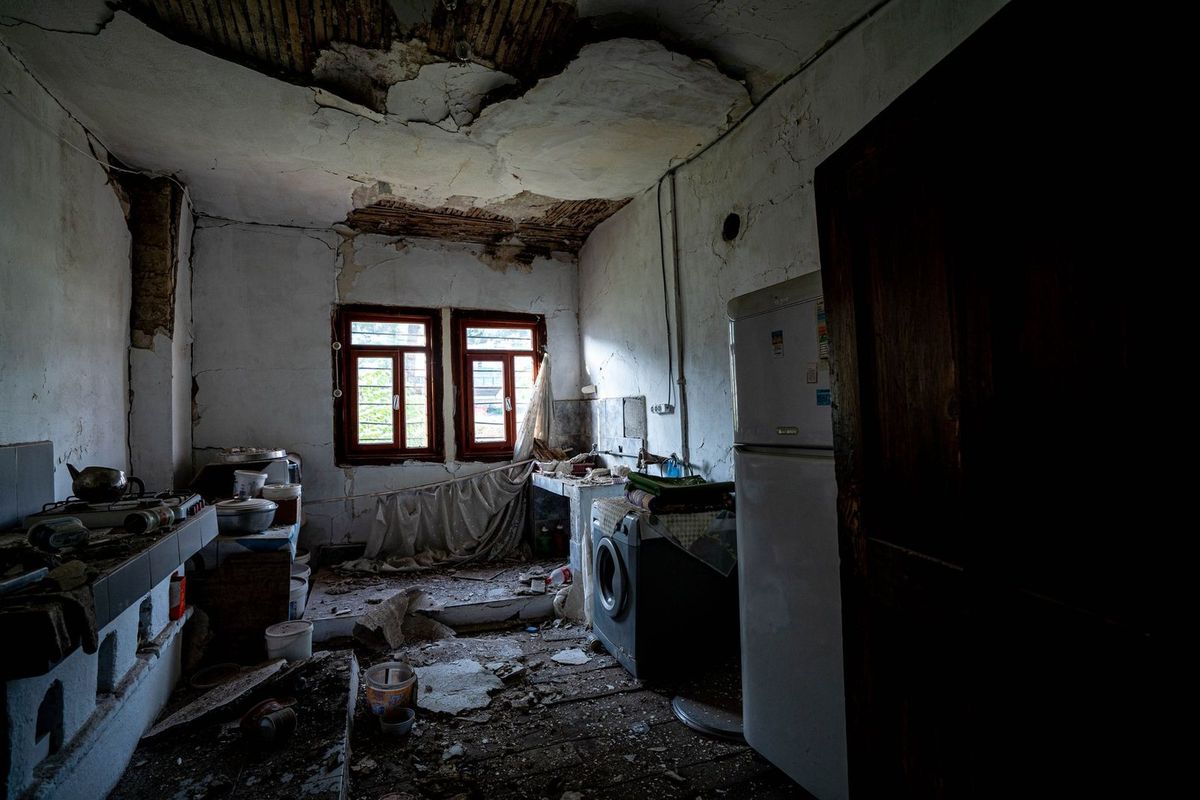
A stovetop grease fire leaves three different kinds of residue, and each is cleaned a different way. Protein and grease soot is a thin, greasy, nearly invisible film with a strong smell that spreads far beyond the kitchen. Dry chemical extinguisher powder is corrosive and has to come off metal and electronics within a day. Charred material (the hood filter, the cabinet face above the burner, the pan) is a write-off. You can safely handle the first pass on hard, sealed surfaces yourself. Odor in porous materials, soot in the ducts and anything that burned need a crew, and on a covered claim that costs you nothing upfront.
The Puget Sound ranges mentioned below are planning figures, not a quote.
Why this page exists in November
Cooking is the leading cause of home fires in the United States, and Thanksgiving is the worst day of the year for them: the National Fire Protection Association estimates that about 1,446 home cooking fires were reported to U.S. fire departments on Thanksgiving Day 2023, nearly five times the daily average, with unattended cooking the leading factor. The Puget Sound version is a pan of oil left while someone answers the door, a turkey fryer on a wet deck, or a pot that boiled over onto a burner and lit the grease underneath. Most are out in under a minute. The cleanup is what this page is about.
The first hour, after the flames are out
- Make sure it is actually out. If you smothered it with a lid, leave the lid on until the pan is cold. If you used an extinguisher on a stovetop fire, turn the burner off and check that the oven and the range hood are off too. If you called 911, which is the right call for any fire that left the pan, wait for the fire department to release the house before you do anything else.
- Vent, then stop. Open windows and run a fan blowing out, not the range hood, which pulls soot into the duct. Keep the door to the rest of the house closed so the smell stays in one room. Do not run the furnace or the HVAC fan; a central system will distribute soot to every room in ten minutes.
- Photograph everything before you touch it. The stove, the hood, the cabinet faces, the ceiling, the walls, the floor, the powder, the pan. Wide shots and close-ups. This is the claim file and it is worth more than the first hour of cleaning.
- Call your insurer, or call us first and we will walk you through it. A fire with soot on the ceiling and cabinets is usually a claim, not a mop-up, and the sooner the file is open the sooner cleanup is approved.
- Do not start wiping the soot with a wet rag. Water turns dry soot into a smear that drives into paint and grout and doubles the work. The next section explains the order.
What you can clean yourself, in order
Extinguisher powder first. The powder from a standard home ABC extinguisher is monoammonium phosphate, which is mildly acidic and corrodes aluminum, copper and electronics within a day or two of sitting. The yellow-white dust from a BC extinguisher is sodium bicarbonate, less corrosive but just as messy. Wear a dust mask and gloves. Vacuum up the loose powder with a shop vacuum or a vacuum with a HEPA filter, then wipe hard surfaces with warm water and a little dish soap; for stubborn ABC residue on stainless steel, a 50/50 vinegar and water wipe followed by a clean rinse works. Powder inside the range, the dishwasher, the microwave or a toaster is a reason to have that appliance checked rather than cleaned.
Then dry soot removal. On painted walls, the ceiling and cabinet doors, use a dry chemical sponge (sold as a soot sponge or dry cleaning sponge at hardware stores) and wipe in one direction, turning to a clean face as it loads up. Do not scrub, do not press, do not get it wet. This lifts the dry part of the soot without smearing it. Vacuum the floor and counters with a HEPA vacuum before you wet-clean anything.
Then the greasy film. What is left after the dry sponge is the oily layer. A degreasing cleaner meant for kitchens, or a bucket of warm water with a few tablespoons of a heavy-duty alkaline cleaner (a TSP substitute from the paint aisle), cut through it on sealed surfaces: tile, laminate counters, stainless, painted semi-gloss. Work from the top down, change the water often, and rinse. Test an inconspicuous spot on anything you are not sure about; stone sealers and wood finishes do not like strong alkaline cleaners.
What to throw out, now. Any food that was uncovered in the kitchen, including fruit on the counter and anything in an open bag. Spices and oils in open containers. Anything plastic that touched flame or warped from heat. The range hood's mesh filters if they burned, and the pan. Medication stored in the kitchen if the containers were open. Sealed cans and jars can be washed and kept.
That first pass gets a lightly affected kitchen most of the way there in an evening, and it is as far as home cleaning should go.
What does not come out with a sponge
The smell. Grease fire odor is the hardest residential odor to remove, because it is a protein and oil residue that penetrates rather than sits on top. It is in the unsealed wood inside the cabinets, the drywall above the hood, the gap behind the backsplash, the ceiling insulation if the ceiling got hot, the curtains and upholstery in the next room. Air fresheners and ozone generators from the hardware store treat the air; the residue stays and the smell returns on the first warm day. Professional odor removal is source removal first (cleaning the cavities, sometimes removing a cabinet to clean behind it), then thermal fogging or hydroxyl treatment, then sealing anything porous that cannot be cleaned. Expect it to take a few days, not an hour.
Soot in the ducts and the furnace. If the hood or the furnace ran during or after the fire, the ductwork has soot in it and will push the smell into every room each time the heat comes on. A crew checks the returns and the filter first and cleans the system if it is contaminated. This is why the first-hour advice is to leave the HVAC off.
Soot throughout the house. An open-plan kitchen sends smoke across the living room and up the stairs. Bedrooms that smell of smoke have soot on the walls even where you cannot see it, and bedding, clothes and soft furnishings need laundering or dry cleaning with the right agents. Smoke and soot cleanup and contents and textile restoration cover what that involves.
Anything that burned. Charred cabinet faces, a scorched backsplash, a melted light fixture, a ceiling that bubbled: these are replaced, not cleaned, and the replacement is part of the claim.
What it costs, and who pays
For a contained stovetop fire with soot in the kitchen and an adjacent room, professional cleaning and odor work most often lands in a planning range of roughly $2,000 to $6,000 in the Puget Sound market. Add the hood, a run of cabinets and a section of drywall and a modest kitchen fire commonly totals $5,000 to $20,000 including repairs. Soot through the ducts into the whole house moves the number up. The smoke damage cleanup cost guide explains how estimates are built.
Fire and smoke are usually covered perils on a standard homeowners policy, including a fire you started by accident while cooking, and smoke cleaning in rooms that never saw flame is part of the same claim. Your policy controls. On covered claims it is $0 upfront: the restoration contractor bills your insurer directly, and your deductible applies as your policy requires. If the damage is near your deductible, a written estimate before any chargeable work lets you decide whether to file.
When to call tonight
Call if any of these is true: soot on the ceiling or above the hood; a smell in rooms other than the kitchen; the furnace or hood ran during the fire; an extinguisher was discharged; anything beyond the pan burned; anyone in the house has a breathing condition; or you are unsure whether it is safe to stay in the house. Call (425) 842-3483 or text a photo of the stove and the ceiling to (844) 543-5757. A dispatcher will tell you whether this is an evening of careful home cleaning or a crew in the morning, and will open the claim file either way. Crews cover King, Pierce, Snohomish and Kitsap counties around the clock.